SNMP is a protocol used to communicate management information regardless of differences in hardware and software. It’s a protocol made to manage network devices with IP. It lets you collect information and monitor from a single management system.
It’s useful for things like monitoring inbound and outbound traffic, remotely configuring devices, and detecting network issues.
To understand how SNMP works, you need to know the manager and the agents.
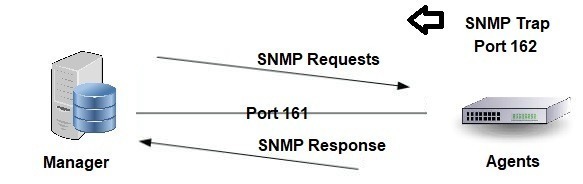
A manager or management system is a separate entity that communicates with the SNMP agents. A manager is simply a focal point for all the agents. Manager’s duty is to query agents, get responses from agents, set variables in agents, and acknowledge asynchronous events from agents.
Then we have the agents, which are devices, which when enabled does all the compiling and storing of data. Agents collect management information about its environment, stores and retrieves management information as defined in management information database, signals events to the manager, and acts as a proxy for some non-snmp manageable network node.
SNMP uses port 161 but uses port 162 as well when agents send unsolicited traps to the SNMP Manager. Traps are used when the Device needs to alert the Network Management software of an event without being polled.
 HansITAcademy
You must be logged in to post a comment.